Copyrights © 2026 My Afro Recipes. All rights reserved.
- Home
- Blog
- Map
- Destinations
Northern Africa
Central Africa
Eastern Africa
Western Africa
Southern Africa
Afro-Cuisine
- Meals
- Ingredients
- Shop

Zobo, the vibrant hibiscus drink loved across West Africa, is much more than a refreshing beverage. Made from dried hibiscus petals, it has played an important role in West African culture for generations. Known as Zobo in Nigeria, sobolo in Ghana, and bissap in Senegal, this colorful drink brings together tradition, hospitality, and wellness in every glass.
Today, Zobo remains a staple at celebrations, family gatherings, and street markets throughout the region. Its bold flavor and health benefits continue to make it one of West Africa’s most beloved drinks.
The story of Zobo begins with the hibiscus plant (Hibiscus sabdariffa), which thrives in West Africa’s warm climate. Long before modern soft drinks became popular, communities prepared hibiscus beverages for hydration, ceremonies, and special occasions.
In many cultures, serving Zobo symbolized hospitality and generosity. Families often offered it to guests as a gesture of welcome and respect. Traditional recipes used locally available ingredients such as ginger, cloves, and natural sweeteners, reflecting generations of knowledge about herbs and wellness.
As trade routes expanded across West Africa, hibiscus drinks spread beyond regional borders. Different communities added their own ingredients and preparation styles, creating variations such as Ghanaian sobolo and Senegalese bissap. Despite these differences, the drink continues to unite people through a shared culinary heritage.
Today, Zobo remains a popular choice for weddings, religious celebrations, festivals, and everyday refreshment. Modern recipes may include pineapple, citrus fruits, or mint, but the drink’s cultural importance remains unchanged.
Zobo offers more than its beautiful ruby-red color and tangy flavor. Hibiscus petals contain powerful antioxidants, including anthocyanins, which help protect the body’s cells from oxidative stress and support overall wellness.
The drink may also support heart health. Research suggests that hibiscus can help maintain healthy blood pressure and cholesterol levels when consumed as part of a balanced diet. Because homemade Zobo often contains little or no processed sugar, it can serve as a healthier alternative to sugary sodas and juices.
Many traditional Zobo recipes include ginger, cloves, and cinnamon, ingredients known for their digestive and anti-inflammatory properties. Ginger can help soothe the stomach, while cloves contribute antimicrobial compounds that have long been used in traditional medicine.
Zobo also supports hydration and provides small amounts of important nutrients such as vitamin C, calcium, and iron. When prepared with natural sweeteners or minimal sugar, it becomes a refreshing drink that fits perfectly into a modern, health-conscious lifestyle.
Few beverages capture the spirit of West Africa like Zobo. Its history reflects centuries of tradition, trade, and cultural exchange, while its health benefits continue to make it relevant today.
Whether served ice-cold at a family gathering, shared during celebrations, or enjoyed as an everyday refreshment, Zobo remains a symbol of community, heritage, and hospitality. Every glass tells a story of flavor, culture, and the enduring traditions of West Africa.
Nigerian zobo drink with hibiscus, ginger, and cloves.
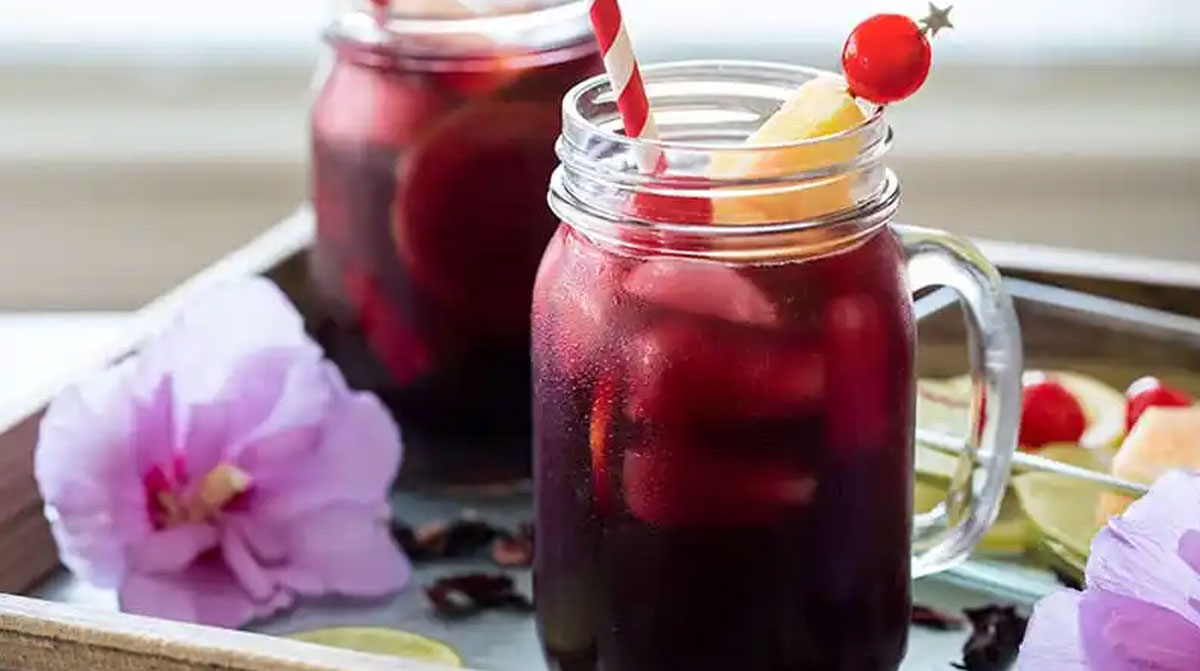
Experience the refreshing taste of authentic Nigerian Zobo, a vibrant hibiscus drink infused with ginger, spices, and natural sweetness. Known for its bold flavor and cooling effect, Zobo is a beloved West African beverage enjoyed at gatherings, celebrations, and everyday moments.
Rinse the dried hibiscus petals thoroughly under cold water to remove dust and debris.
Add the hibiscus, ginger, turmeric, pineapple juice, clove buds, and cinnamon sticks to to a pot with water over medium heat.
Bring mixture to a boil then remove from heat. Steep for up to 12 hours then strain out the solids. The tea will be tasty and fine to drink without steeping but the flavor will deepen even further as you let it steep.
Serve tea warm or transfer to fridge to chill for at least one hour then serve over ice.
Zobo is made from dried hibiscus petals, typically boiled with spices such as ginger, cloves, or cinnamon, then sweetened and chilled.
Yes. Zobo is rich in antioxidants and may support heart health, digestion, and hydration when consumed in moderation and with minimal added sugar.
Zobo is known as bissap in Senegal and francophone West Africa, and sobolo in Ghana.
Hibiscus has traditionally been used to support healthy blood pressure levels, though it should complement—not replace—medical advice.