NigeriaNigeria
Zobo DrinkBy Dan Murunga

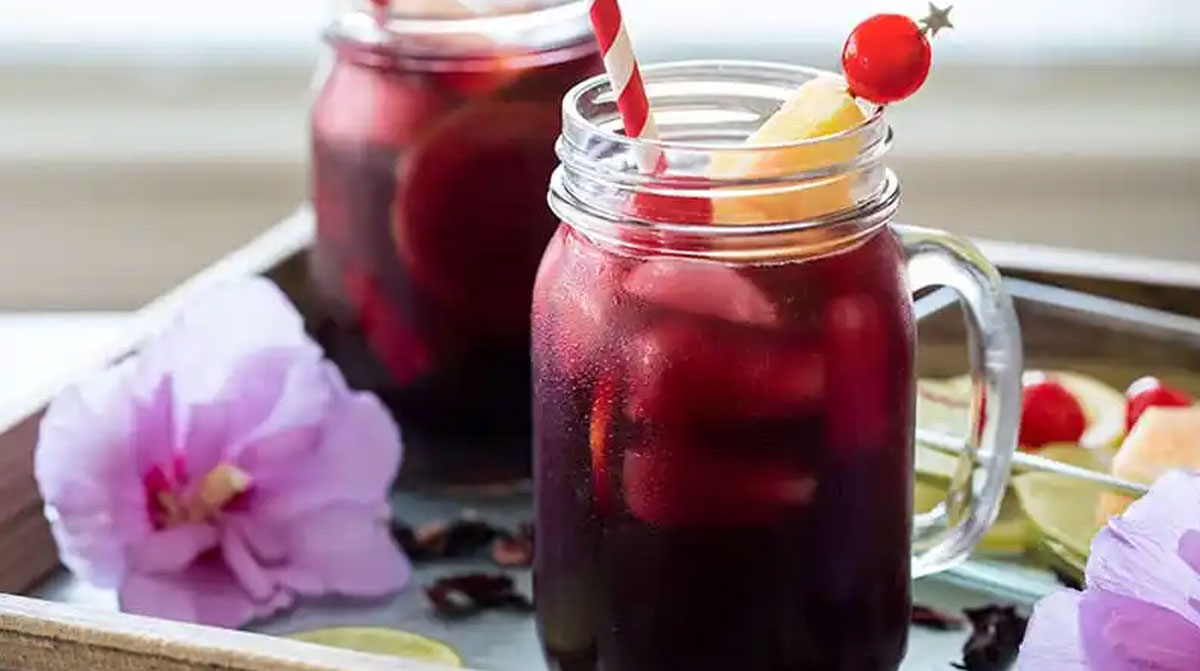
Nigerian zobo drink with hibiscus, ginger, and cloves.

HaitiHaiti
Espageti ak AransòBy Dan Murunga

Haitian spaghetti with smoked herring packed with tons of flavor.

NigeriaNigeria
Nigerian Jollof RiceBy Dan Murunga

A smoky, Nigerian style one-pot jollof rice dish simmered in a tomato-pepper sauce.

Congo (Democratic Republic)Congo (Democratic Republic)
Pondu (Cassava Leaf Stew)By Dan Murunga

A flavorful and nutrient-rich Congolese stew made from cassava leaves.

Join the Community

Whether it’s a cherished family dish or your own twist on a classic, your recipe could inspire others to explore the rich flavors of African cuisine. Upload your African recipes today and be part of a growing community celebrating the tastes, stories, and traditions of Africa.

Ask Mpishi - AI

Hi, I’m Mpishi, your AI-powered assistant and Sous Chef. You can ask me anything about African food, I can generate or customize any recipe.
AlgeriaAlgeria
Algerian RechtaBy Dan Murunga

Rechta is a traditional Algerian dish often enjoyed during special occasions.

EthiopiaEthiopia
Awaze TibsBy Dan Murunga

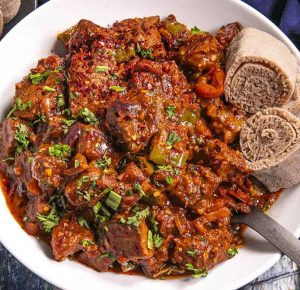
A classic Ethiopian dish made with tender pieces of beef or lamb.

NigeriaNigeria
Nigerian Jollof RiceBy Dan Murunga

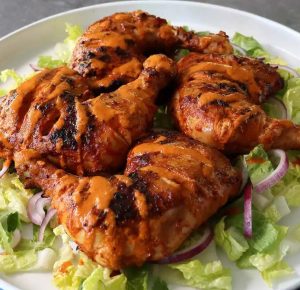
A smoky, Nigerian style one-pot jollof rice dish simmered in a tomato-pepper sauce.

Our Recipe Blog

The African Table

Welcome to The African Table, your home for exploring the rich flavors, traditions, and stories behind African cuisines. Here, you’ll find authentic African recipes, modern twists on classic dishes, and deep dives into the cultural roots that make these foods so unique.

Nigerian zobo drinks on a tray with hibiscus flowers.

The Nutritional Power of Zobo (Hibiscus Drink)

Discover Zobo, West Africa’s vibrant hibiscus drink, celebrated for its rich cultural heritage, refreshing taste, and impressive health benefits.
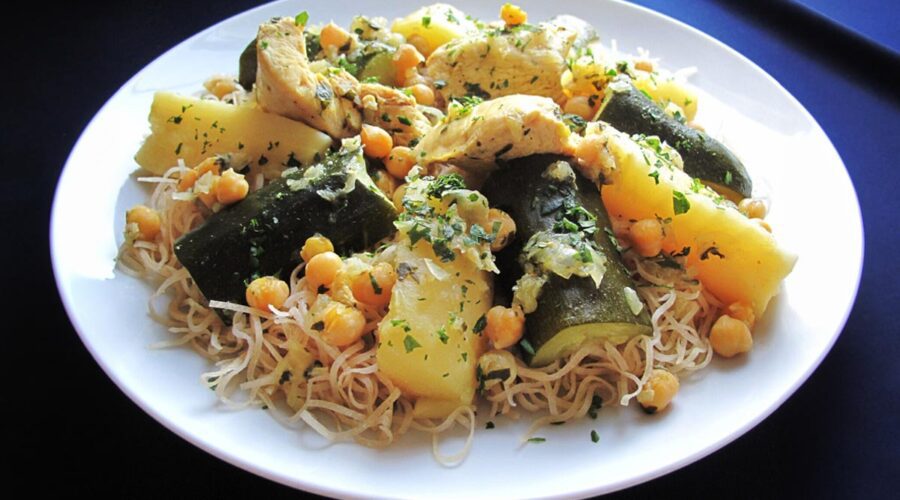
A plate of traditional Algerian rechta served with noodles, zucchini and potatoes.

Algerian Rechta: Tradition, Family, Celebration

Discover Algerian rechta, a traditional noodle dish with tender meat and aromatic sauce from Algiers that celebrates family, heritage, and flavor.
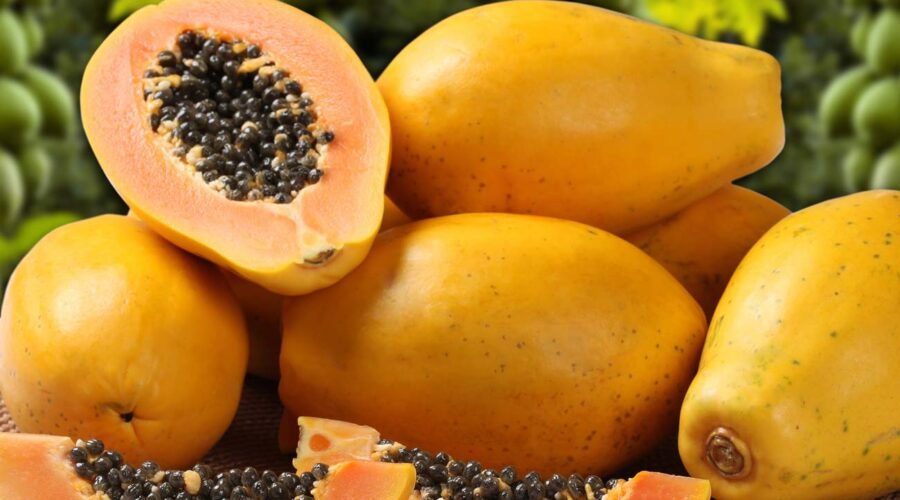
A picture of ripe papayas

Papayas: Their Origins and Powerful Health Benefits

Discover papaya’s origins in the Americas, global journey, and health benefits—from sweet tropical flavor to digestive support and everyday nutrition.
Frequently Asked Questions

My Afro Recipes is a collection of authentic and modern African-inspired dishes, showcasing the rich flavors of Africa’s diverse cuisines. Our mission is to bring you authentic, easy-to-follow recipes inspired by the vibrant culinary traditions of Africa.

From classic dishes passed down through generations to modern interpretations that honor their roots, My Afro Recipes is your guide to exploring the tastes, spices, and stories of this incredible continent.

Many of our recipes are traditional African classics cooked in homes and restaurants across the continent. Others are Afro-inspired recipes that blend African flavors with modern cooking techniques or international cuisines.

This mix allows us to both preserve tradition and showcase how African food continues to evolve in today’s kitchens.

Yes! We welcome recipe submissions from our community. If you have a dish you’d like to share, simply upload it through our recipe submission page.

Once approved, your recipe will be featured on My Afro Recipes with credit to you as the contributor. It’s a great way to showcase your cooking and share African food culture with others.

We aim to provide nutrition facts for most recipes, including calories, protein, carbohydrates, fat, and vitamins per serving. 

While values are estimates (since ingredients can vary), this helps readers make informed decisions, especially if they’re following specific dietary goals.

Many African spices and pantry items—like suya spice, berbere, Maggi cubes, and millet flour—can be found at international or African grocery stores in major cities. 

For those who don’t live near specialty markets, many ingredients are available online through African food retailers or large marketplaces like Amazon.

Yes! Substitutions are often possible without losing the soul of the dish. For example, if you can’t find cassava leaves, spinach or kale may be used in some recipes. 

Scotch bonnet peppers can be swapped with habaneros or other hot chilies, though the flavor will differ slightly. We include substitution tips to make recipes accessible no matter where you live.

Absolutely. While some African dishes are more elaborate, we’ve simplified instructions for home cooks of all skill levels. 

Many recipes use basic cooking techniques like sautéing, simmering, or roasting, so even beginners can successfully recreate traditional dishes.

We aim to make recipes clear for cooks around the world by including both U.S. customary measurements (cups, tablespoons, pounds) and metric units (grams, milliliters, kilograms) whenever possible. 

This ensures you can follow along easily, no matter which measurement system you prefer.

African cuisine is incredibly diverse and includes many naturally healthy options. Dishes often highlight fresh vegetables, whole grains, legumes, lean meats, and flavorful spices instead of heavy sauces. 

While some recipes are more indulgent (like fried snacks or rich stews), many others are nutrient-dense and balanced.

Yes, we feature many vegetarian and vegan dishes. African cuisines have a wide range of plant-based meals, such as Ghanaian Kelewele (spiced fried plantains), Ethiopian Misir Wot (lentil stew), and Senegalese Yassa with vegetables. You’ll find options that are naturally meat-free as well as recipes with vegan-friendly substitutions.

Yes, plenty of African recipes are naturally gluten-free since staple foods like cassava, plantains, rice, maize, and yams don’t contain gluten. 

Popular gluten-free dishes include fufu, ugali, and many stews served with rice. We highlight gluten-free recipes to make it easy for those with dietary restrictions.

Nigerian Jollof Rice is known for its smoky, spicy flavor, often achieved by cooking over an open flame or using more chili peppers. 

Ghanaian Jollof, on the other hand, has a stronger tomato base and slightly sweeter profile. 

Both are delicious, and the debate over which version is better is a friendly rivalry that continues to spark conversations (and taste tests!) around the world.

Scroll to top