Copyrights © 2026 My Afro Recipes. All rights reserved.
- Home
- Blog
- Map
- Destinations
Northern Africa
Central Africa
Eastern Africa
Western Africa
Southern Africa
Afro-Cuisine
- Meals
- Ingredients
- Shop

Matoke, often called Uganda’s culinary treasure, is a staple food and a symbol of the country’s rich food culture. This green banana variety, known for its creamy texture and mild flavor, is loved across East Africa. Over time, Matoke has grown from a simple household meal to an international favorite.
Matoke, scientifically known as Musa paradisiaca, thrives in Uganda’s fertile volcanic soils. The plant’s tall stalks and wide leaves create a lush, tropical landscape. Farmers harvest the bananas while still green, then steam, boil, or mash them into a soft, creamy dish. Its mild flavor absorbs spices easily, making Matoke a perfect base for stews, sauces, and curries.
In many Ugandan homes, families grow Matoke in backyard gardens. Harvesting is a shared activity, bringing families together to peel and cook the bananas. This sense of community turns Matoke into more than just food—it becomes a symbol of unity and tradition.
As Uganda’s cuisine gains global attention, Matoke has found its place on menus around the world. Chefs now feature it in both local and international restaurants, celebrating its versatility and unique taste.
Matoke holds deep cultural value in Ugandan life. It’s a centerpiece at weddings, festivals, and family celebrations. Served with rich sauces, meats, and legumes, it showcases the heart of Ugandan hospitality. Sharing Matoke during these events strengthens family bonds and honors tradition.
Beyond Uganda, Matoke is also popular in Kenya, Rwanda, and Tanzania. Each country adds its twist—some use coconut milk, while others pair it with spicy stews. Despite these differences, Matoke remains a unifying dish across East Africa.
The crop also drives economic growth. As demand rises in urban areas, more farmers are turning to sustainable Matoke cultivation. This not only supports families but also helps preserve Uganda’s farming traditions.
The World Bank highlights agriculture’s role in Uganda’s economy as a key driver of employment and rural development.
Matoke is more than a meal—it’s a story of heritage, resilience, and community. Its journey from Ugandan farms to international kitchens reflects both cultural pride and culinary creativity. Whether served at home or abroad, Matoke continues to connect people through food, flavor, and tradition.
A comforting hearty East African stew perfect for family meals.
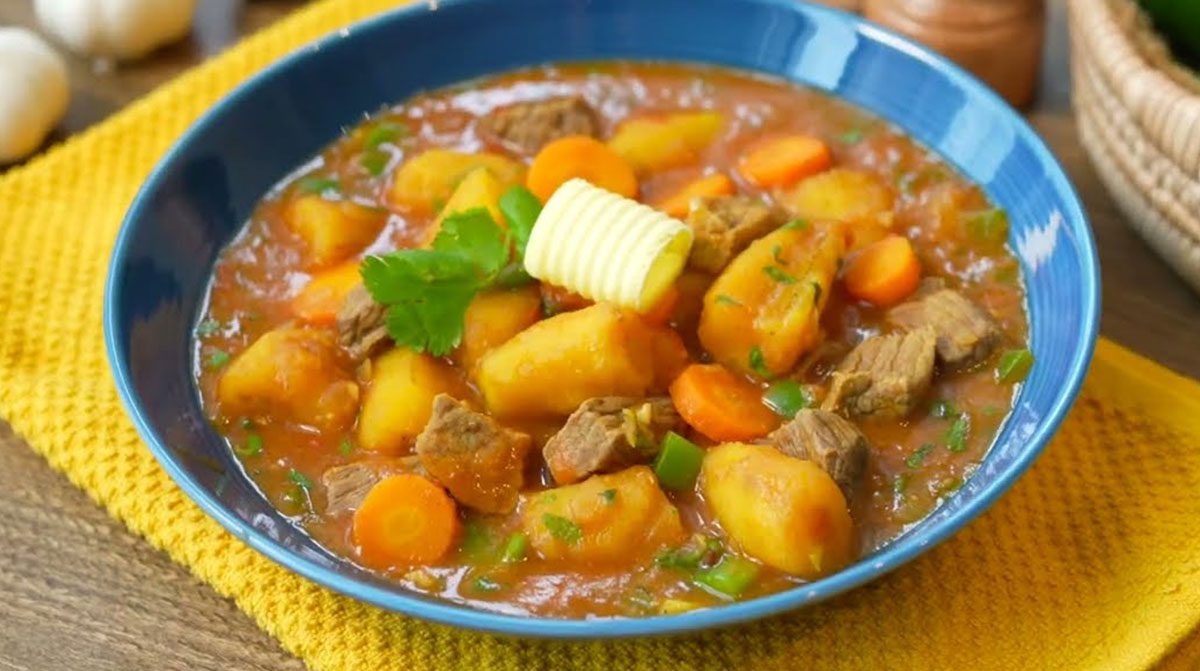
A hearty Ugandan matoke stew with green plantains, beef or chicken, and rich spices. This is a dish perfect for family meals. For a vegetarian option, don't include any meats and substitute beef/chicken stock with vegetable stock.
Heat oil in a large pot over medium-high heat. Add beef or chicken and sear until golden on all sides. Remove and set aside.
In the same pot, sauté onions until golden brown. Add garlic, ginger, and chili, stirring until aromatic. Then add tomatoes, bell pepper, and carrots. Cook until tomatoes soften into a thick base.
Add curry powder, turmeric, paprika, salt, and pepper. Return the browned meat to the pot, stir well, and pour in stock. Cover and simmer for 20–25 minutes (beef may take longer than chicken).
Stir in the plantains and coconut milk. Reduce heat to low, cover, and cook for another 20 minutes, or until matoke is tender and meat is fully cooked.
Taste and adjust seasoning. Garnish with fresh cilantro and serve hot with chapati, rice, or on its own as a hearty meal.
Matoke is made from green cooking bananas, native to East Africa. They are peeled, boiled, or steamed, then mashed into a soft, creamy dish often served with stews or sauces.
In Uganda, Matoke is usually steamed in banana leaves over a fire until tender. It’s then mashed and served with meat, beans, or peanut sauce. The method gives it a smoky aroma and smooth texture.
No. While both are cooking bananas, Matoke is smaller, less sweet, and native to East Africa. Plantains are larger and starchier, commonly used in West African and Caribbean cuisines.